How to Choose Your First Tarot Deck
Three Major Systems & Complete Buying Guide
With countless tarot decks available, beginners often feel overwhelmed. This guide walks you through the three major tarot systems, their unique characteristics, and practical buying advice to help you find your perfect first deck.
The Three Major Tarot Systems
Tarot decks fall into three main systems, each with its own history and characteristics. Understanding these differences helps you choose the deck best suited to your learning style.
Visual Style Comparison
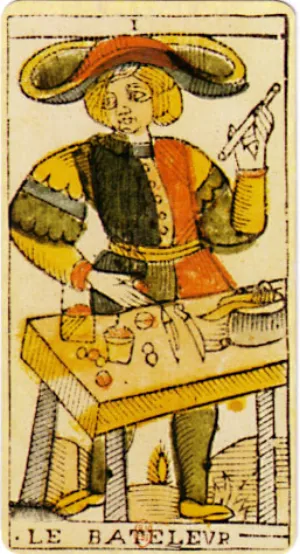
Marseille Tarot
Origin: 15th Century France
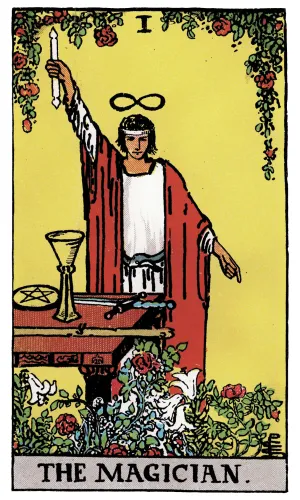
Rider-Waite Tarot
Origin: 1909 England
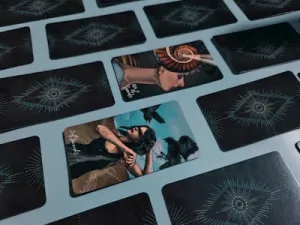
Thoth Tarot
Origin: 1944 England
Marseille Tarot
Origin: 15th Century France
The oldest tarot system
Woodcut print style with simple colors
Minor Arcana shows only symbols, no illustrated scenes
Difficulty: Requires more intuition and experience
Best for: Advanced readers, traditional aesthetics enthusiasts
Rider-Waite Tarot
Origin: 1909 England
The gold standard of modern tarot
Every card has complete illustrated scenes
Minor Arcana features rich scenic imagery
Difficulty: Visual intuition, easy to memorize and interpret
Best for: First choice for beginners and self-learners
Thoth Tarot
Origin: 1944 England
Integrates occult and psychological symbolism
Filled with alchemy and Kabbalah symbols
Abstract imagery requiring deep study
Difficulty: Steep learning curve
Best for: Advanced learners interested in occultism
| Feature | Marseille | Rider-Waite | Thoth |
|---|---|---|---|
| Learning Difficulty | Hard | Easy | Hard |
| Minor Arcana Art | Symbols only | Full scenes | Abstract |
| Learning Resources | Limited | Most abundant | Moderate |
| Intuitive Reading | Requires training | Easy to start | Needs background |
Why Rider-Waite for Beginners?
Over 80% of tarot learners worldwide start with the Rider-Waite system, and there are good reasons for this.
Visual Storytelling
Every card in the Rider-Waite deck tells a complete visual story. When you see three women raising cups in celebration on the 'Three of Cups,' you naturally think of friendship and celebration. When you see a figure pierced by ten swords in the 'Ten of Swords,' the pain is self-evident. This intuitive visual memory helps beginners quickly connect with card meanings.
Abundant Learning Resources
Over 90% of tarot books, online courses, and YouTube tutorials are based on the Rider-Waite system. Whether in English or other languages, you can easily find detailed card meaning explanations and practical examples.
Standardized Symbol System
Rider-Waite established the standard language of modern tarot. Once you master the Rider-Waite system, transitioning to other decks becomes easier, as most modern tarot decks are based on Rider-Waite imagery.
Perfect for Self-Study & Community
When you encounter interpretation challenges, asking questions online will get more responses since most tarot enthusiasts are familiar with Rider-Waite imagery and symbolism.
Top 3 Rider-Waite Editions for Beginners
Not all Rider-Waite decks are the same. Here are the three most recommended versions for beginners, each with distinct characteristics.
Rider-Waite Centennial Edition
The commemorative 100th anniversary edition features faithfully restored original colors from Pamela Colman Smith's 1909 artwork. The closest to the historic original with excellent print quality.
Radiant Rider-Waite Tarot
A modernized version with vibrant, saturated colors that make the imagery pop. The enhanced brightness makes details easier to see and cards more visually engaging.
Universal Waite Tarot
Recolored by Mary Hanson-Roberts with softer, gentler pastel tones. The muted palette creates a more soothing reading experience while maintaining the classic imagery.
All three editions use the same iconic imagery - only the color treatment differs. Choose based on your color preference.
Pre-Purchase Checklist
When buying your first tarot deck, verify these important points:
Fully Illustrated Design
Ensure all 78 cards have individual illustrated scenes, especially the Minor Arcana (pip cards). Some cheap decks only show playing card-style symbols on the minor cards, which significantly increases learning difficulty.
Ask the seller if minor cards have illustrated scenes
Guidebook / Manual
Authentic tarot decks usually include a Little White Book (LWB) with basic card meanings. Better versions come with comprehensive guidebooks.
Consider purchasing a dedicated tarot book for deeper learning
Card Size
Standard tarot card size is approximately 2.75 x 4.75 inches (7 x 12 cm). Mini versions (about 1.75 x 3 inches) are portable but details are harder to see; large versions are great for collection but harder to shuffle.
Beginners should choose standard size for comfortable handling and clear imagery
Print Quality
Check for clear printing, color saturation, paper thickness and flexibility. Paper that's too thin bends easily; too thick makes shuffling difficult.
Try to visit a physical store to examine the deck before buying
Version Selection
Rider-Waite comes in many versions: original, centennial, pocket, and various themed adaptations. Beginners should start with the original or centennial edition, as the imagery most closely matches classic definitions.
Avoid starting with highly stylized artist interpretations
Tarot Myths Debunked
Many myths circulate about tarot cards. Let's examine these claims with a rational perspective:
Tarot cards must be gifted to you; buying your own doesn't work
This is one of the most common myths. In reality, a deck you choose yourself often resonates more strongly with you because you selected it based on your intuition and preferences. The vast majority of professional tarot readers bought their first deck themselves.
Myth origin: Possibly from an era when tarot cards were expensive and rare, making them precious gifts
Tarot cards absorb negative energy
Tarot cards are paper tools that don't 'absorb' any energy. If your deck feels 'off,' it's more likely your current mental state affecting your interpretation. Just keep your cards clean and properly stored.
Myth origin: Possibly confused with crystal cleansing practices
No one else should touch your tarot cards
Many tarot readers have querents shuffle and cut the deck - it's a common practice. What matters is your attitude toward the cards, not who has touched them. If you personally prefer others not to touch them, that's fine too.
Myth origin: Possibly from New Age movement emphasis on 'personal energy'
Drawing the Death card means actual death
The Death card's core meaning is 'transformation and endings,' symbolizing the end of old things and new beginnings. It might represent the end of a relationship, a change in habits, not literal death.
Myth origin: Exaggerated by movies and popular culture
Where to Buy Tarot Cards
You can purchase authentic tarot decks through these channels:
Online Platforms
Amazon
Largest selection of tarot decks worldwide
US Games Systems
Official publisher of Rider-Waite and many classic decks
Book Depository / Bookshop.org
Great for finding authentic decks with worldwide shipping
Physical Stores
Barnes & Noble / Bookstores
Major bookstores often have tarot sections
Metaphysical / New Age Shops
Specialty stores for spiritual supplies
Game & Hobby Stores
Some carry tarot alongside card games
Price Guide & Authenticity Tips
Understanding reasonable price ranges helps you avoid poor quality counterfeits.
$10-15
Budget entry level
Basic Rider-Waite, mini editions
Watch for counterfeits
$15-25
Standard authentic
Centennial Rider-Waite, Lo Scarabeo series
Recommended for beginners
$25-50
Premium / Special editions
Gilded editions, original reproductions
Great for collectors
$50+
Limited / Artist collaborations
Independent artist creations, numbered editions
High collectible value
How to Spot Counterfeits
- Unusually cheap price (under $8 for 'Rider-Waite' is almost certainly counterfeit)
- Blurry printing, dull or overly saturated colors
- Paper too thin and easily bent
- Missing original packaging or guidebook
- Seller cannot provide proof of authenticity
Ready to Begin Your Tarot Journey?
Whether or not you've purchased a tarot deck, you can experience the joy of tarot through our AI reading. Even without physical cards, Julian Tarot can provide professional tarot interpretations.